Top Tips for Potable Water Management at Home

Water is essential for life, yet many households overlook the importance of managing their potable water effectively. With increasing concerns about water scarcity and quality, it’s crucial to adopt practices that ensure we use this precious resource wisely. This blog post will provide you with practical tips for managing potable water at home, helping you conserve water, improve its quality, and ensure your family has access to safe drinking water.
Understanding Potable Water
Potable water is water that is safe for human consumption. It must meet specific quality standards set by health authorities to ensure it is free from harmful contaminants. Understanding what makes water potable is the first step in managing it effectively. Here are some key points to consider:
Source of Water: Potable water can come from various sources, including municipal supplies, wells, and rainwater harvesting systems. Knowing the source helps in understanding potential contaminants.
Water Quality: Regular testing for contaminants such as bacteria, lead, and nitrates is essential. Home testing kits are available for this purpose.
Treatment Methods: Different treatment methods, such as filtration, boiling, and chemical disinfection, can improve water quality.
Tips for Conserving Water
Conserving water not only helps the environment but also reduces your utility bills. Here are some effective strategies for conserving potable water at home:
Install Water-Saving Fixtures
Consider upgrading to water-efficient fixtures, such as:
Low-Flow Showerheads: These can reduce water usage by up to 50% without sacrificing water pressure.
Dual-Flush Toilets: These toilets allow you to choose between a full flush and a half flush, saving significant amounts of water.
Aerators for Faucets: Installing aerators can reduce water flow while maintaining pressure, leading to substantial savings.
Fix Leaks Promptly
Leaky faucets and toilets can waste a surprising amount of water. Here’s how to address leaks:
Check for Leaks: Regularly inspect your plumbing for leaks. A dripping faucet can waste over 3,000 gallons of water a year.
DIY Repairs: Many leaks can be fixed with simple tools and materials. For instance, replacing a worn washer in a faucet can stop the drip.
Use Water Wisely in the Garden
Gardening can consume a lot of water, but there are ways to minimize this:
Drought-Resistant Plants: Choose native plants that require less water and are better suited to your local climate.
Mulching: Applying mulch around plants helps retain moisture in the soil, reducing the need for frequent watering.
Rain Barrels: Collect rainwater from your roof to use for watering plants. This not only conserves potable water but also reduces runoff.
Ensuring Water Quality
Maintaining the quality of your potable water is just as important as conserving it. Here are some tips to ensure your water remains safe for consumption:
Regular Testing
Testing your water regularly is crucial for identifying potential contaminants. Here’s how to do it:
Home Testing Kits: Purchase a home testing kit to check for common contaminants like lead, bacteria, and chlorine levels.
Professional Testing: For a more comprehensive analysis, consider hiring a professional service to test your water.
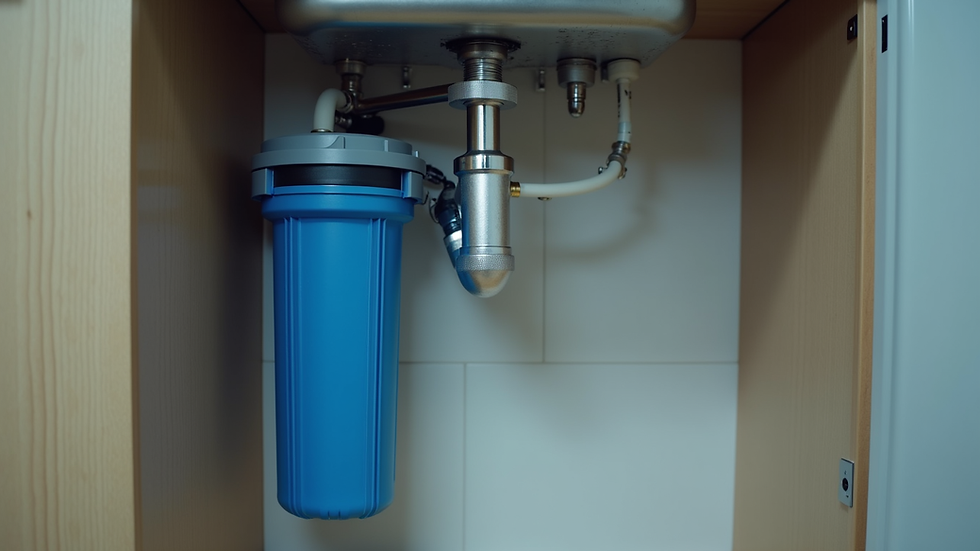
Use Water Filtration Systems
Installing a water filtration system can significantly improve the quality of your drinking water. Consider the following options:
Activated Carbon Filters: These filters can remove chlorine, sediment, and volatile organic compounds (VOCs).
Reverse Osmosis Systems: These systems can remove a wide range of contaminants, including heavy metals and bacteria.
Boiling Water
Boiling water is one of the simplest methods to ensure its safety. Here’s when to boil water:
After a Contamination Alert: If your local water authority issues a boil water advisory, boiling water for at least one minute can kill harmful bacteria and viruses.
When in Doubt: If you suspect your water may be contaminated, boiling is a reliable method to ensure safety.
Sustainable Practices for Water Management
Incorporating sustainable practices into your water management routine can have a lasting impact. Here are some ideas to consider:
Greywater Recycling
Greywater is wastewater from sinks, showers, and washing machines that can be reused for irrigation. Here’s how to implement greywater recycling:
Install a Greywater System: These systems can redirect greywater to your garden, reducing the need for potable water for irrigation.
Use Biodegradable Soaps: Ensure that the products you use are safe for plants and the environment.
Rainwater Harvesting
Collecting rainwater is an excellent way to supplement your water supply. Here’s how to get started:
Install Rain Barrels: Place barrels under downspouts to collect rainwater for gardening and outdoor cleaning.
Check Local Regulations: Some areas have specific regulations regarding rainwater harvesting, so be sure to comply.
Educate Your Family
Teaching your family about the importance of water conservation can foster a culture of sustainability at home. Here are some ways to educate:
Involve Children: Engage children in water-saving activities, such as turning off the tap while brushing their teeth.
Share Information: Discuss the importance of potable water and the impact of waste on the environment.
Conclusion
Managing potable water at home is not just about conservation; it’s about ensuring the safety and quality of the water we consume. By implementing these tips, you can make a significant difference in your household’s water usage and contribute to a more sustainable future. Remember, every drop counts, and your efforts can lead to a healthier environment for everyone.
Take action today by assessing your water usage and making small changes that can lead to big results. Whether it’s fixing a leak, installing a filtration system, or educating your family, every step you take is a step towards better water management.
Comments